Kent Hydra International FZE – Coal-Based Granular & Powdered Activated Carbon
Coal-Based Granular & Powdered Activated Carbon is a highly efficient adsorption material manufactured from selected grades of coal through advanced activation processes. It is designed with a well-developed pore structure and high surface area, enabling effective removal of contaminants, organic compounds, color, odor, and dissolved impurities from liquids and gases.
The product is available in both granular and powdered forms to suit different industrial filtration and purification requirements. Granular Activated Carbon (GAC) is commonly used in continuous flow filtration systems, while Powdered Activated Carbon (PAC) is ideal for rapid adsorption and batch treatment processes. Both forms offer excellent adsorption performance and operational reliability.
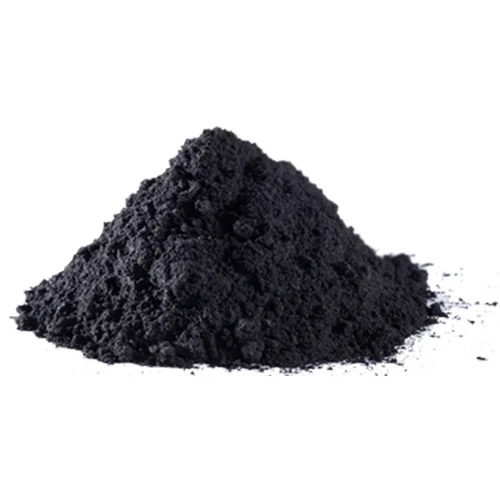
Coal-based activated carbon is extensively used in water treatment plants, wastewater purification systems, air filtration units, chemical processing industries, food production facilities, and gold recovery operations. It helps improve water quality, remove harmful pollutants, and enhance industrial purification efficiency across multiple applications.
Advanced manufacturing techniques ensure consistent particle size, superior hardness, and stable filtration performance under demanding industrial conditions. The activated carbon provides long operational life, excellent regeneration capability, and cost-effective purification performance for industrial systems.
Due to its high adsorption capacity and wide industrial compatibility, coal-based granular and powdered activated carbon is considered a reliable solution for modern environmental protection and industrial filtration systems. It delivers dependable performance for both liquid and gas phase purification applications worldwide.
Advantages of Coal-Based Granular & Powdered Activated Carbon
1. High Adsorption Efficiency
Efficiently removes contaminants, odor, color, and dissolved impurities from liquids and gases.
2. Available in Multiple Forms
Offered in both granular and powdered forms for different industrial treatment applications.
3. Excellent Mechanical Strength
Provides reliable performance and long operational life in industrial filtration systems.
4. Cost-Effective Filtration Solution
Delivers efficient purification performance with reduced operational and maintenance costs.
5. Wide Industrial Compatibility
Suitable for water treatment, air purification, chemical processing, and industrial adsorption systems.
Applications of Coal-Based Granular & Powdered Activated Carbon
1. Water Treatment Plants
Used for purification of drinking water and wastewater by removing impurities and harmful pollutants.
2. Air Purification Systems
Removes odors, gases, smoke, and airborne contaminants from industrial air systems.
3. Chemical Processing Industry
Suitable for purification, solvent recovery, and decolorization applications in chemical plants.
4. Gold Recovery Operations
Used in gold extraction processes due to its excellent adsorption properties.
Frequently Asked Questions
1. What is coal-based activated carbon?
It is an adsorption material manufactured from coal for industrial purification and filtration applications.
2. What is the difference between GAC and PAC?
Granular Activated Carbon is used in continuous filtration systems, while Powdered Activated Carbon is used for rapid treatment applications.
3. Where is coal-based activated carbon used?
It is widely used in water treatment, air purification, chemical processing, and gold recovery industries.
4. What are the benefits of coal-based activated carbon?
It offers high adsorption efficiency, strong mechanical properties, long service life, and cost-effective filtration performance.
Frequently Asked Questions
1. What is a Standard Pneumatic Actuator?
A Standard Pneumatic Actuator is a device that uses compressed air to generate motion for operating industrial valves and automation systems.
2. What are the types of pneumatic actuators?
Pneumatic actuators are mainly available in double-acting and spring-return types depending on the operational requirement.
3. Where are pneumatic actuators used?
They are widely used in oil & gas, water treatment, chemical, pharmaceutical, food processing, and industrial automation applications.
4. What are the benefits of pneumatic actuators?
Pneumatic actuators provide fast operation, reliable performance, low maintenance, safety in hazardous environments, and cost-effective automation.