
Kent Hydra International FZE – Standard Pneumatic Actuators
Standard Pneumatic Actuators are mechanical devices that use compressed air to create motion and control industrial valves, dampers, and automation systems. These actuators are widely used in industries where reliable and fast valve operation is required. Pneumatic actuators are designed to convert air pressure into linear or rotary motion, ensuring smooth and efficient system performance in various industrial environments.
The range of Industrial Control Products includes Programmable Logic Controllers (PLC), Human Machine Interface (HMI) systems, SCADA systems, Distributed Control Systems (DCS), Variable Frequency Drives (VFD), industrial relays, switchgear, motor starters, control panels, and Motor Control Centers (MCC). These solutions are designed to ensure smooth machine operation, centralized process monitoring, and efficient electrical control in industrial environments.
These actuators are commonly manufactured using high-quality aluminum, stainless steel, or engineered alloy materials to provide durability and corrosion resistance. Standard Pneumatic Actuators are available in double-acting and spring-return configurations, allowing them to meet different operational requirements. Their compact design, lightweight structure, and low maintenance needs make them highly suitable for modern automation applications.
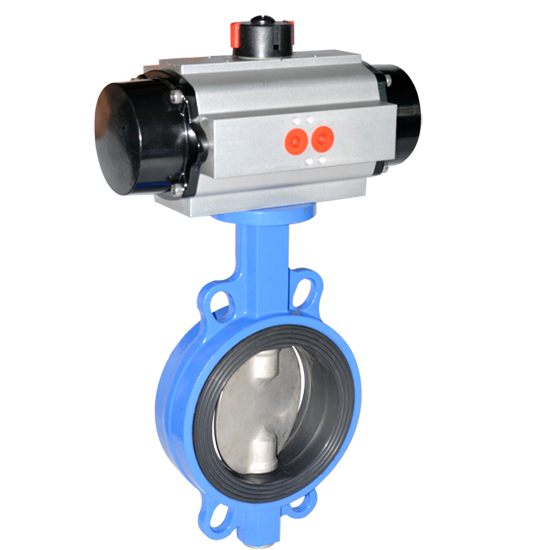
Pneumatic actuators are extensively used in industries such as oil & gas, chemical processing, pharmaceuticals, water treatment, food processing, and power generation. They offer rapid response time and precise control, making them ideal for automated systems where operational efficiency and safety are critical. These actuators can operate effectively even in hazardous or high-temperature environments.
One of the major advantages of Standard Pneumatic Actuators is their cost-effective operation and simple installation process. Since they operate using compressed air, there is minimal risk of electrical hazards, making them safer in explosive environments. Additionally, pneumatic systems are known for their long service life and dependable performance under continuous operation.
Modern pneumatic actuators are designed with advanced sealing systems and precision engineering to ensure leak-free performance and maximum operational efficiency. They are compatible with a wide range of valves and control systems, making them a preferred choice for industrial automation and process control applications across multiple sectors.
Advantages of Standard Pneumatic Actuators
1. Fast Operation
Standard Pneumatic Actuators provide quick response and high-speed operation, making them ideal for industrial automation systems where rapid valve movement is required.
2. Low Maintenance
These actuators have a simple mechanical structure with fewer moving parts, resulting in lower maintenance requirements and longer service life.
3. Safe in Hazardous Areas
Pneumatic actuators operate using compressed air instead of electricity, making them safe for explosive and hazardous industrial environments.
4. Compact and Lightweight
Their compact and lightweight design allows easy installation in limited spaces while reducing overall system weight.
5. Cost-Effective Solution
Pneumatic actuators are economical to operate and maintain, making them a cost-effective choice for industrial automation applications.
Applications of Standard Pneumatic Actuators
1. Oil & Gas Industry
Pneumatic actuators are widely used in oil and gas plants for controlling valves, pipelines, and process automation systems safely and efficiently.
2. Water Treatment Plants
These actuators help regulate water flow and automate valve operations in water treatment and wastewater management systems.
3. Chemical Processing Industry
In chemical plants, pneumatic actuators are used for accurate valve control and safe handling of hazardous chemicals and gases.
4. Food & Beverage Industry
Pneumatic actuators are used in hygienic processing systems for controlling fluid flow and maintaining automation in food production units.
5. Power Generation Plants
Power plants use pneumatic actuators for steam, gas, and fluid control applications to ensure efficient and reliable plant operation.
Frequently Asked Questions
1. What is a Standard Pneumatic Actuator?
A Standard Pneumatic Actuator is a device that uses compressed air to generate motion for operating industrial valves and automation systems.
2. What are the types of pneumatic actuators?
Pneumatic actuators are mainly available in double-acting and spring-return types depending on the operational requirement.
3. Where are pneumatic actuators used?
They are widely used in oil & gas, water treatment, chemical, pharmaceutical, food processing, and industrial automation applications.
4. What are the benefits of pneumatic actuators?
Pneumatic actuators provide fast operation, reliable performance, low maintenance, safety in hazardous environments, and cost-effective automation.